Your BMI Result — What It Means and What to Do Next
You have done it. You have taken the first step that most people never bother to take — you have actually measured and calculated your BMI instead of just guessing. That matters more than you might think.
But a number on a screen means nothing if you do not understand what it is telling you and what you should do with that information. So let's break it down completely.
Understanding Your BMI Score
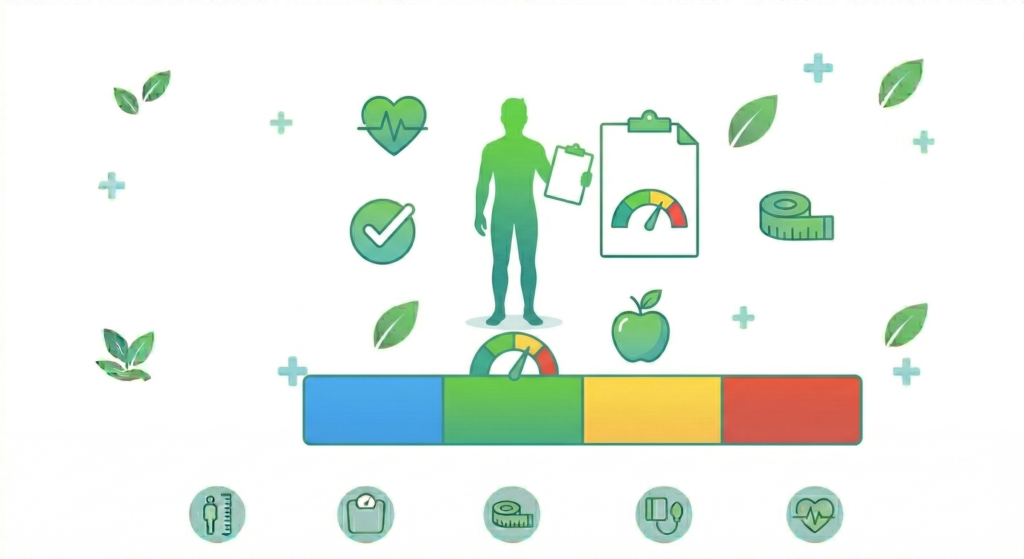
Your BMI score falls into one of four categories. Each one tells a different story about where your body currently stands.
Underweight — BMI Below 18.5
If your result shows that you are underweight, your body is likely not getting enough of the nutrients and energy it needs to function at its best.
Being underweight is often overlooked because society tends to focus more on the dangers of being overweight. But the health risks of being significantly underweight are very real. Your immune system becomes weaker, making you more susceptible to infections and illness. Your bones become less dense and more fragile over time. Your energy levels drop, making daily tasks feel exhausting. For women, being underweight can disrupt hormonal balance and affect fertility.
If you fall in this category, the goal is not to eat everything in sight. It is to increase your calorie intake in a smart, nutritious way — focusing on protein rich foods, healthy fats, and complex carbohydrates that fuel your body properly.
Normal Weight — BMI 18.5 to 24.9
This is where you want to be. A BMI in the normal range means your weight is well proportioned to your height and your body is under less stress than it would be at either extreme.
But normal BMI does not automatically mean perfect health. You can have a normal BMI and still have high blood pressure, poor diet, low fitness levels, or high stress. BMI is a starting point, not a complete health report.
If you are in this range, your focus should be on maintaining it. That means staying active, eating a balanced diet, getting enough sleep, and having regular health checkups. The habits you build now will determine where your health stands ten and twenty years from today.
Overweight — BMI 25 to 29.9
A BMI in the overweight range is one of the most common results — and one of the most actionable. You are not in a danger zone, but your body is carrying more weight than is ideal for your frame, and that extra load has real consequences over time.
The risks associated with being overweight include higher blood pressure, elevated cholesterol, increased strain on your joints — particularly your knees and lower back — and a higher chance of developing type 2 diabetes if the trend continues unchecked.
The good news is that this range responds very well to lifestyle changes. You do not need to make dramatic changes overnight. Research consistently shows that losing just 5 to 10 percent of your current body weight significantly reduces health risks and improves energy levels, sleep quality, and mood.
Start small. Walk for 30 minutes a day. Swap sugary drinks for water. Eat a protein rich breakfast. These small changes, done consistently, add up to real results over weeks and months.
Obese — BMI 30 and Above
If your BMI falls in the obese range, this result is not meant to shame you — it is meant to inform you. Your body is carrying a level of excess weight that puts significant strain on your heart, joints, organs, and metabolic system.
The health risks in this category are serious and well documented. Type 2 diabetes, heart disease, sleep apnoea, fatty liver disease, and certain cancers are all significantly more common in people with a BMI above 30. The longer excess weight is carried, the harder these conditions become to reverse.
But here is what is also true — people have come back from this. Thousands of people every year successfully lose significant amounts of weight and dramatically improve their health. It takes time, consistency, and the right support — but it is absolutely possible.
If you are in this category, the most important thing you can do right now is speak to a doctor. Not because you are in immediate danger, but because having professional guidance makes the journey significantly more effective and sustainable than trying to figure it out alone.
Beyond the Number — What Your Result Also Tells You
Along with your BMI category, your result includes two other important pieces of information.
Your ideal weight range shows you exactly what weight your body should be aiming for based on your height. This gives you a clear, specific target rather than a vague goal like "lose some weight."
Your daily calorie needs tells you approximately how many calories your body burns in a typical day based on your age, gender, height, weight, and a moderate activity level. Knowing this number helps you understand whether you need to eat more, eat less, or simply eat differently.
What to Do Right Now
Reading your result is step one. But information without action changes nothing. Here is what to do depending on where you landed.
If you are underweight — Book an appointment with your doctor or a nutritionist. Increase your daily calorie intake gradually with nutrient dense foods. Add light strength training to build muscle.
If you are in the normal range — Keep doing what you are doing. Set a reminder to recalculate your BMI every three to six months to make sure you stay on track.
If you are overweight — Start with one small change today. Just one. A 20 minute walk. One less sugary drink. One home cooked meal instead of takeaway. Build from there.
If you are obese — Please speak to a healthcare professional. You do not have to do this alone, and professional support genuinely makes a difference.
Track Your Progress
Your BMI today is your baseline. Come back and recalculate every few months to see how your efforts are paying off. Most people find that seeing the number move — even slightly — is one of the most motivating things they can experience on a health journey.
Bookmark this page. Share your result with someone who can support you. And remember that every single person who has ever improved their health started exactly where you are right now — with a number, a decision, and a first small step.
Your first step starts today.