Check Your BMI
Find out your Body Mass Index, ideal weight range, and daily calorie needs in just 30 seconds.
4 quick questions • Free • No signup needed
Check Your BMI — What It Means and Why It Matters
Have you ever wondered if your weight is healthy for your height? That’s exactly what BMI — Body Mass Index tells you. It’s one of the simplest and most widely used health screening tools in the world, and the best part? You can calculate it in seconds.
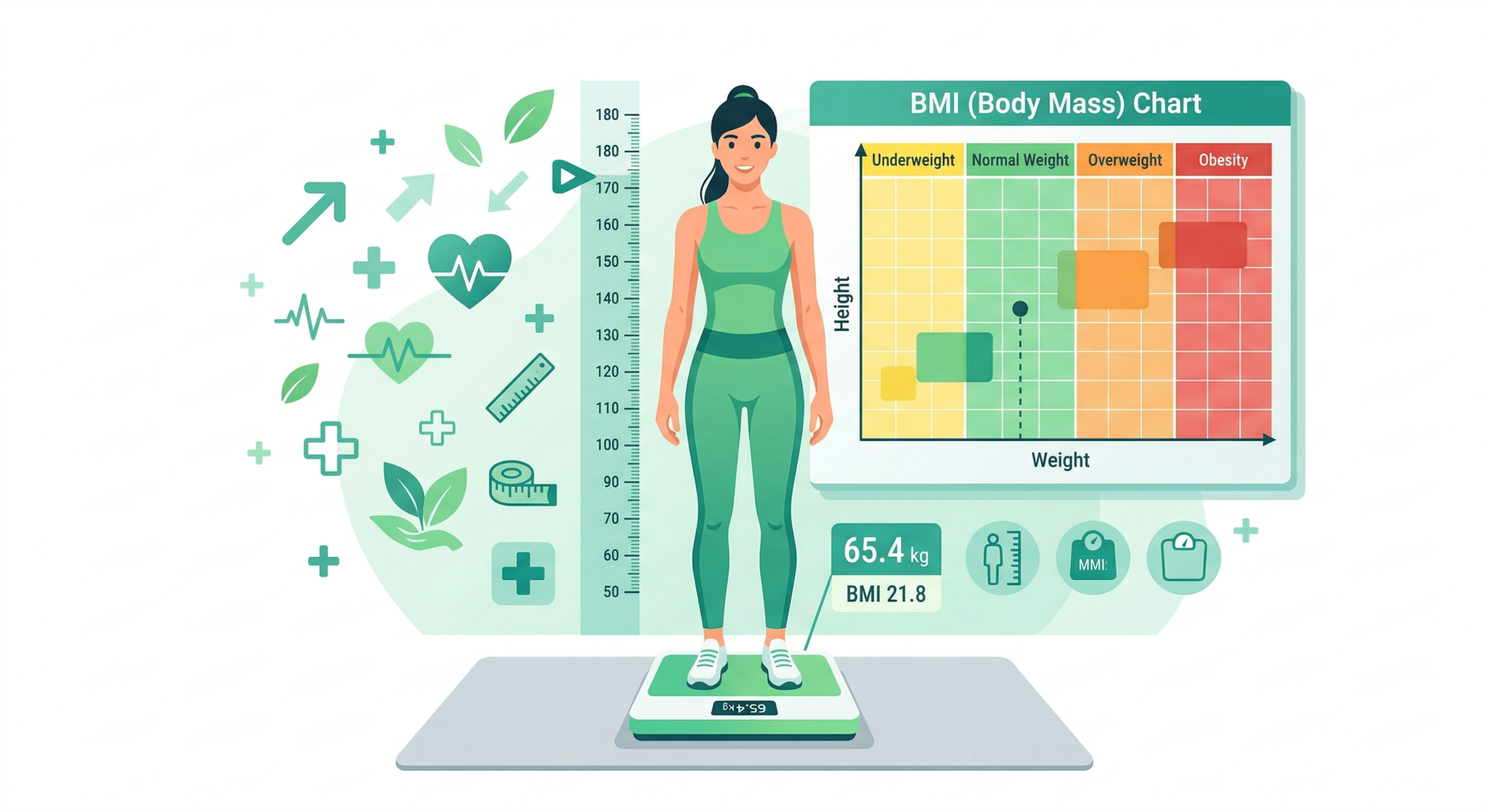
What is BMI?
BMI is a number calculated from your height and weight. It gives you a quick snapshot of whether you’re in a healthy weight range for your body size.
The formula is simple:
BMI = Weight (kg) ÷ Height (m)²
For example, if you weigh 70 kg and your height is 1.75 m, your BMI would be 22.9 — which falls in the healthy range.
BMI Categories Explained
| BMI Range | Category |
|---|---|
| Below 18.5 | Underweight |
| 18.5 – 24.9 | Normal / Healthy |
| 25.0 – 29.9 | Overweight |
| 30.0 and above | Obese |
Most doctors and health organizations worldwide use these ranges as a starting point for health assessments.
Why Should You Check Your BMI?
Most people ignore their weight until something goes wrong. But regularly checking your BMI helps you catch problems early — before they become serious.
Here’s why it matters:
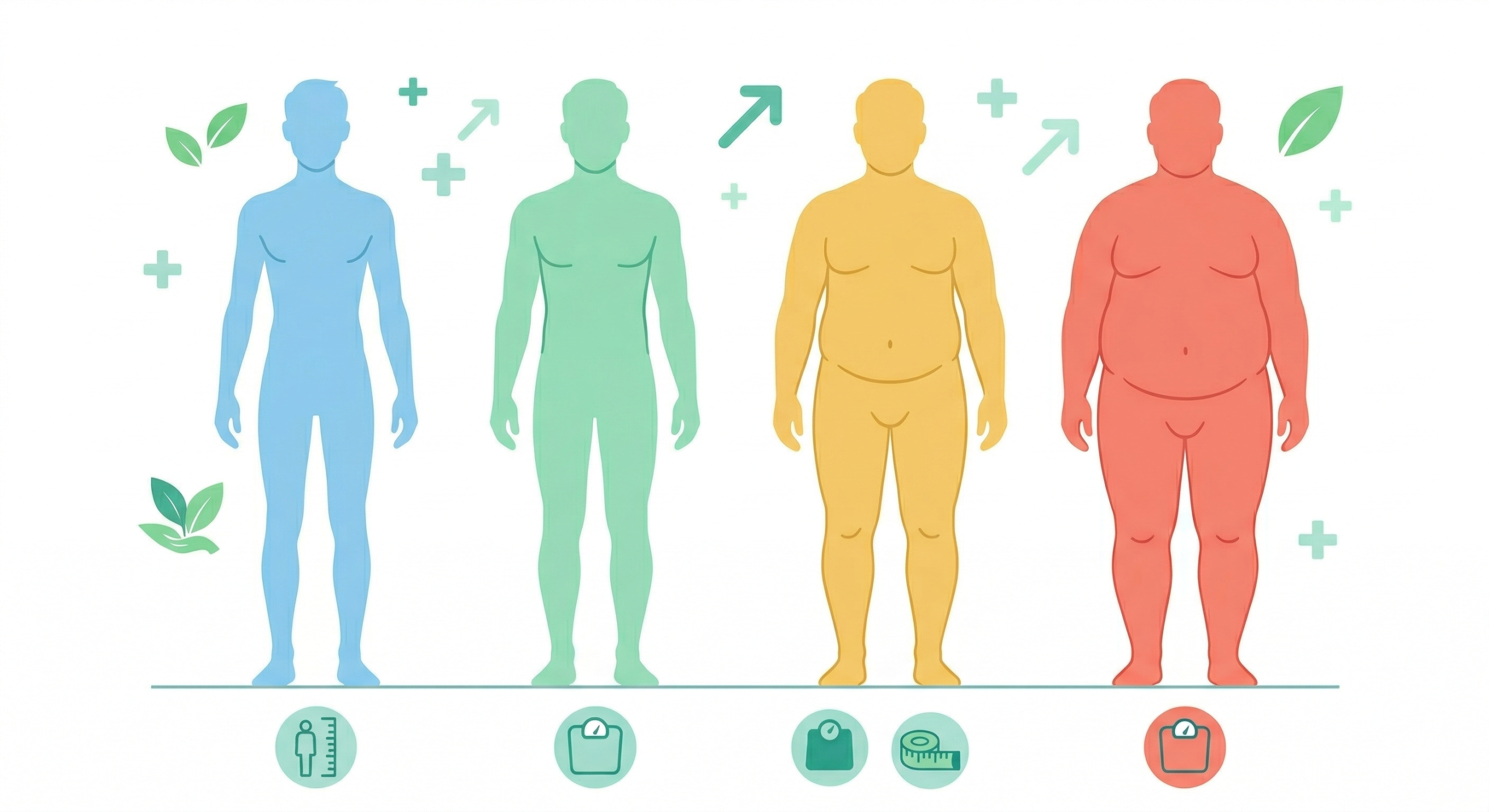
Being underweight can mean your body isn’t getting enough nutrients. This can lead to weak immunity, fatigue, and bone loss over time.
Being overweight or obese increases your risk of serious conditions like type 2 diabetes, heart disease, high blood pressure, joint pain, and even certain cancers.
Staying in the normal range doesn’t just make you look good — it means your heart, joints, and organs are under less stress every single day.
Is BMI the Only Thing That Matters?
Honestly, no. BMI is a useful starting point but it doesn’t tell the complete story. For example, a very muscular athlete might have a high BMI but very low body fat. An older person might have a “normal” BMI but carry too much fat around their belly.
That’s why BMI works best when combined with other checks like:
- Waist circumference — belly fat is more dangerous than fat elsewhere
- Body fat percentage — more accurate than BMI alone
- Blood pressure and cholesterol — key heart health indicators
Think of BMI as your first step, not your final answer.

How Often Should You Check Your BMI?
For most adults, checking once every 3 to 6 months is enough. If you’re actively trying to lose or gain weight, checking monthly helps you track progress.
Children and teenagers should have their BMI checked by a doctor since healthy ranges are different for growing bodies.
What Should You Do After Checking Your BMI?
If you’re in the normal range — great! Keep doing what you’re doing. Focus on staying active and eating balanced meals.
If you’re underweight — focus on eating more protein and healthy fats. Consider speaking to a nutritionist.
If you’re overweight — small changes add up. Start with 20–30 minutes of walking daily and reduce sugary drinks and processed food.
If you fall in the obese range — please speak to a doctor. A personalised plan combining diet, exercise, and sometimes medication can make a huge difference.